What Factors Influence the Restoration Timeline?
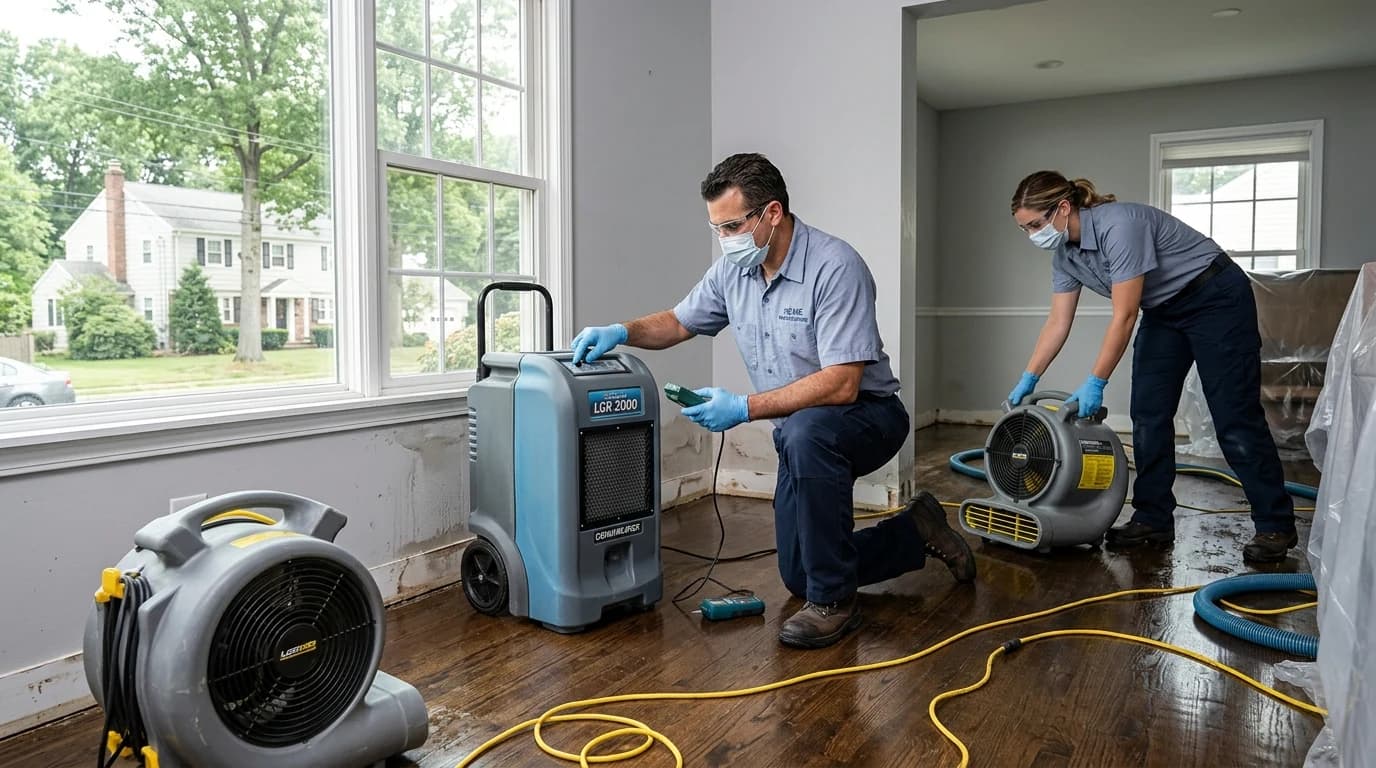
Several factors can influence the time it takes to restore water damage, including the extent of the damage, the area affected, and the materials involved. For example, if the damage is limited to a small, contained area such as a bathroom, it might be resolved within a few days. However, extensive damage affecting structural components, such as walls and flooring throughout an entire floor or basement, could take weeks to address. The type of water involved also plays a crucial role; clean water from a broken pipe is less complex to manage than contaminated water from a flood, which requires additional safety and sanitation measures. In NJ, weather conditions might also play a role in the drying process, particularly if humidity levels are high, which can slow down evaporation. Additionally, the availability and response time of restoration professionals can impact how quickly the process begins and progresses. Consulting with professionals ensures a realistic timeline and efficient restoration. They can provide a detailed assessment and estimate, incorporating all these variables to give homeowners a clear understanding of what to expect.
What is the Typical Process Involved?
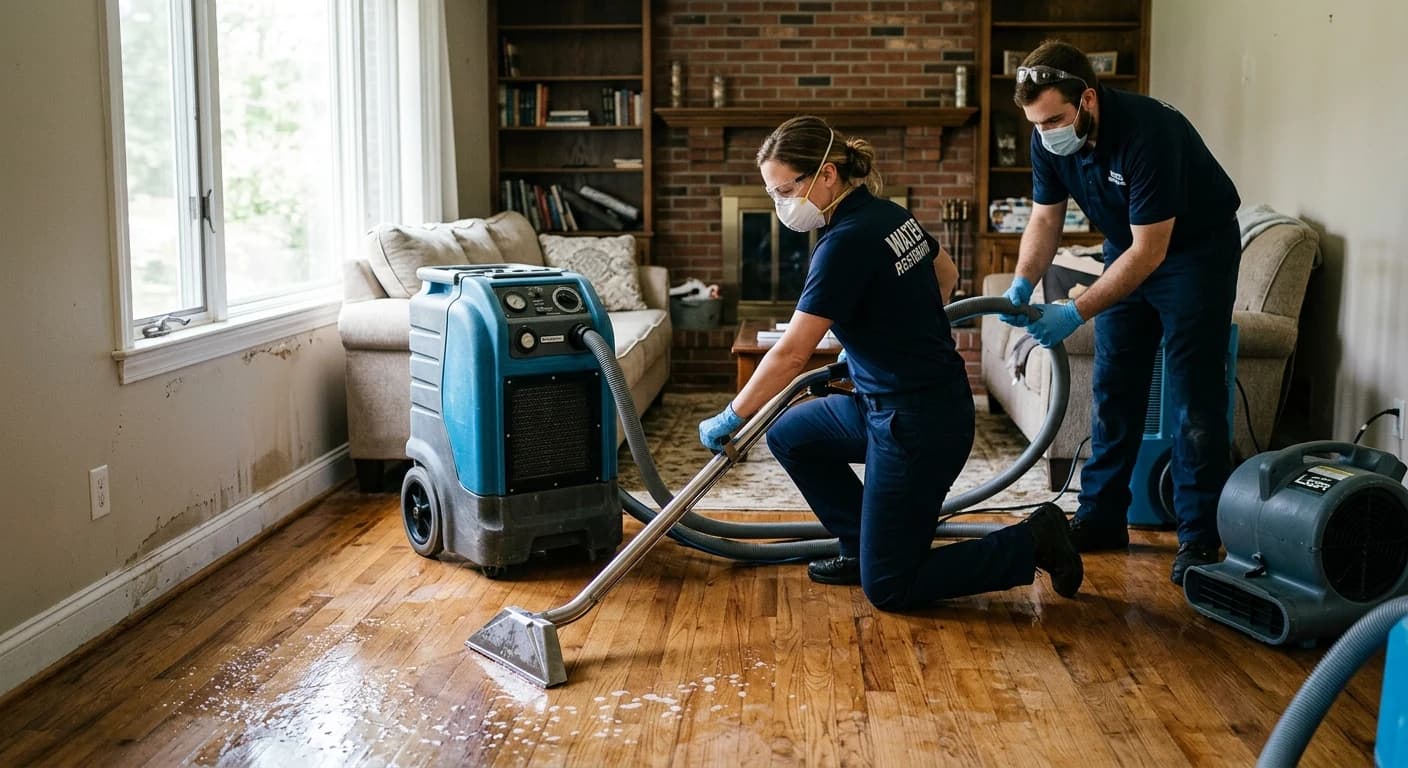
Water damage restoration typically involves several key stages: assessment, water extraction, drying, and repairs. The initial assessment is crucial as it helps professionals determine the extent of the damage and the best course of action. During this phase, technicians will inspect the affected areas, identify the type of water involved, and evaluate the damage to structural components and materials. Water extraction follows, using specialized equipment like pumps and vacuums to remove standing water swiftly to prevent further damage and minimize the risk of mold growth. This step is particularly time-sensitive, as stagnant water can lead to increased damage and health risks. After extraction, the drying process begins, employing industrial-grade dehumidifiers and high-speed air movers to ensure that all moisture is eliminated from the air and building materials. This phase can take several days to weeks, depending on the severity of the water damage and environmental conditions. Once the area is thoroughly dried, repairs and restoration work can commence. This includes replacing or repairing damaged drywall, flooring, and any other structural elements. Each step is vital to ensure comprehensive restoration, and skipping any could result in ongoing problems like mold growth or structural instability. For detailed services, consider contacting Haworth Water Damage Restoration to assist with the process.
How Can Homeowners Prepare for Restoration?
Preparing for water damage restoration involves several proactive steps to ensure a smooth and efficient process. First, it's essential to secure personal items by removing or protecting valuables and important documents from the affected areas. If the damage is extensive, consider making temporary living arrangements, especially if the home is unsafe or uncomfortable to inhabit during the restoration process. Inform your insurance provider immediately to start the claims process, and document the damage thoroughly with photos and videos to support your claim. Clear the affected area of any valuables and hazardous materials, which not only protects your belongings but also provides a safer working environment for the restoration team. Communication with the restoration team is key; establish a clear line of communication to stay informed about the progress and any changes to the timeline. Keep track of the restoration timeline and any updates provided by the professionals to manage expectations and plan accordingly. Additionally, maintaining an inventory of damaged items can be helpful for insurance purposes and to ensure nothing is overlooked during the restoration. By taking these steps, homeowners can facilitate a more efficient and less stressful restoration process.
What Are the Costs Associated with Water Damage Restoration?
Understanding the costs involved in water damage restoration is essential for homeowners to budget effectively and avoid unexpected expenses. The total cost can vary significantly based on the extent of the damage, the type of water involved, and the specific services required. Typically, restoration costs are calculated per square foot, with additional charges for specialized services such as mold remediation or structural repairs. Clean water damage tends to be less expensive to address than damage caused by contaminated water, which requires more extensive decontamination procedures. Homeowners should also consider the costs of replacing damaged personal items, which might not be fully covered by insurance. It's important to obtain a detailed estimate from a reputable restoration company, outlining all potential expenses. In some cases, insurance may cover a portion of these costs, but it's crucial to understand your policy's specifics and any deductibles that apply. Additionally, homeowners in areas like Haworth, NJ, where weather conditions can exacerbate water damage, should consider the potential for increased costs due to longer drying times or additional preventive measures. By understanding these factors, homeowners can better prepare financially and ensure a thorough restoration process.
How to Choose the Right Restoration Company
Selecting a reliable water damage restoration company is crucial for ensuring a successful recovery process. Start by researching local companies with strong reputations and positive customer reviews. Look for certifications from industry organizations, such as the Institute of Inspection, Cleaning, and Restoration Certification (IICRC), which indicate a commitment to high standards and ongoing training. Ensure the company is licensed and insured, which protects you from potential liabilities during the restoration process. It's also beneficial to choose a company that offers a comprehensive range of services, from initial assessment to final repairs, to streamline the process and reduce the need for multiple contractors. Request detailed quotes from several companies to compare costs, but be cautious of unusually low estimates, which might indicate subpar service or hidden fees. Communication is key, so select a company that is responsive and willing to answer questions, providing clear explanations of their processes and timelines. Finally, consider their availability for emergency services, as timely intervention is critical in minimizing damage. By taking these steps, homeowners can confidently select a restoration company that meets their needs and ensures a smooth, efficient restoration experience.
How to Minimize Future Water Damage Risks
Preventing future water damage is crucial for maintaining the integrity of your home and avoiding costly repairs. Start by inspecting your home's plumbing system regularly for leaks or signs of wear, such as rust or corrosion. Replace old or damaged pipes promptly to prevent potential water damage. Installing a water leak detection system can also provide an early warning in case of leaks, allowing you to address issues before they escalate. Ensure that your home's drainage systems, including gutters and downspouts, are clear of debris to facilitate proper water flow away from the foundation. In areas prone to flooding, consider installing a sump pump to manage excess water in basements or crawl spaces. Additionally, sealing windows and doors with weather-resistant materials can help prevent water intrusion during storms. Landscaping can also play a role in water management; ensure that the ground slopes away from your home's foundation to direct water flow away from the structure. Regular maintenance of your roof is essential, as damaged shingles or flashing can lead to leaks. By implementing these preventive measures, homeowners can significantly reduce the risk of future water damage and protect their investment.
Understanding the Role of Humidity in Water Damage Restoration
Humidity levels can significantly impact the water damage restoration process, influencing both the timeline and the effectiveness of the drying phase. High humidity slows down evaporation, prolonging the drying process and increasing the risk of mold growth. To combat this, restoration professionals often use industrial-grade dehumidifiers to remove excess moisture from the air, creating an optimal environment for drying. It's important to monitor humidity levels throughout the restoration process to ensure they remain within the ideal range, typically between 30% and 50%. In areas like Haworth, NJ, where humidity can be a concern, it's crucial to address this factor promptly. Homeowners can assist by keeping windows closed and using air conditioning or fans to promote air circulation. Additionally, using moisture meters can help track the drying progress and identify lingering moisture in walls or floors. This proactive approach not only speeds up the restoration process but also helps prevent secondary damage, such as mold or structural weakening. Understanding and managing humidity is a key component of effective water damage restoration, ensuring a thorough and successful outcome.